The market is about ten minutes from the houses by tuk tuk or scooter. Fish comes in before eight in the morning, vegetables and fruit are on the roadside stalls all day. The kitchens at Domi Casa and Domi Safiya (that is us, and we wrote this) are fully equipped, good knives, clean utensils, spices already stocked. The team can also cook breakfast or dinner if you would rather not.
This is not a guide to cooking Sri Lankan food, which takes years to learn properly. This is about buying what is fresh in Ahangama, bringing it back to the house, and using a kitchen that actually works. The market sells to locals, not tourists, so prices are honest and the quality is what people eat at home. If you have never bought fish straight off a boat, this is how it goes.
The fish market and what to look for
The fish market is a low concrete building on the coast road, about ten minutes north of the houses. Fishermen bring the catch in before sunrise, and by seven or eight in the morning the best of it is already sold. Go early if you want tuna, mackerel, or anything whole and firm. By ten the selection thins out, though there is usually something left.
Fish is sold by the kilo, cleaned on request. A kilo of tuna or mackerel costs less than a breakfast at most cafes in Ahangama. The fishmongers will gut and scale it for you, sometimes fillet it if you ask. They expect you to know what you want, so point at the fish, say how much, and they will weigh it. Cash only, small notes help.
If you are unsure what to pick, look for clear eyes, firm flesh, and no strong smell. The fishmongers are not trying to sell you yesterday's catch, but they will not walk you through it either. If you want help, bring Nishantha or one of the team, they know the vendors and the going rate for everything.
Vegetables, fruit, and the roadside stalls
Vegetable stalls line Imaduwa Road and the roads around the market. They sell what is in season, which changes throughout the year but always includes things like okra, eggplant, green beans, tomatoes, onions, and greens you might not recognize. Fruit stalls have bananas, papayas, pineapples, mangoes when they are in season, and king coconuts for drinking.
Prices are lower than the supermarkets in town, and the produce is fresher because it comes from nearby farms. The vendors expect you to pick your own vegetables, check them, and hand them over to be weighed. A kilo of tomatoes or a bunch of greens costs very little. Like the fish market, it is cash only and you will get better prices if you buy a few things rather than one item.
If you are staying at one of the houses and want to stock the kitchen for a few days, the team can take you to the stalls or do the shopping for you. That is the easier option if you are not sure what to look for or if you arrive late in the day when the selection is smaller.
How the house kitchens handle it
The kitchens at both houses are built for actual cooking, not just reheating takeaway. Domi Casa has a full cooktop, oven, good knives, cutting boards, pots, pans, and a spice rack already stocked with basics like turmeric, cumin, chili powder, and salt. Domi Safiya has the same setup, plus more counter space and a larger fridge if you are cooking for four people.
Everything is spotlessly clean, which guests mention in nearly every review. Utensils are where you expect them to be, the cooktop lights every time, and the water pressure in the sink is strong enough to rinse vegetables properly. If something is missing, tell Nishantha and it will appear the same day.
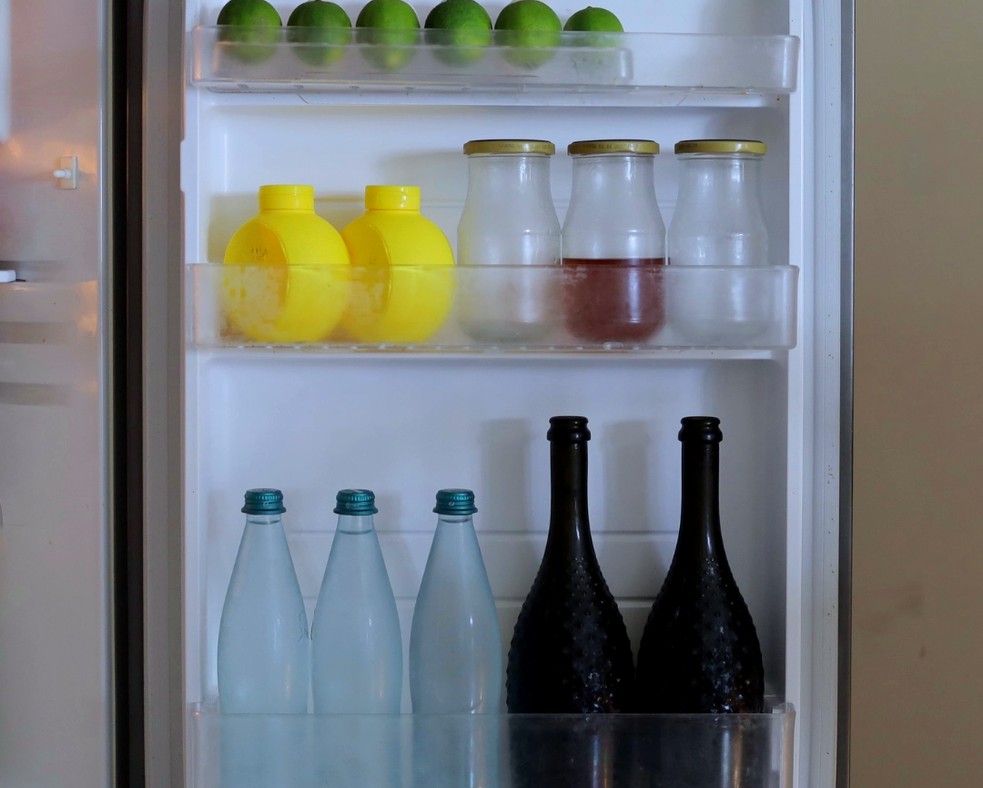
Both kitchens also have filtered drinking water on tap, so you do not need to buy bottled water for cooking or washing produce. The fridges are large enough to store a few days of groceries, and there is freezer space if you buy more fish than you can use in one meal.
The team can cook too
If you would rather not cook, the team can prepare breakfast or arrange dinner. Breakfast is optional at both houses, and it is one of the things guests mention most often. Nadeeka and Fairuz will make eggs, fruit, toast, Sri Lankan hoppers, or whatever you ask for, using what is fresh that day. It is not a set menu, it is whatever you feel like eating.
For dinner, the team can arrange a private chef to cook at the house, or Nishantha can recommend someone local who will come in and prepare a proper Sri Lankan meal. That usually needs a day or two of notice, and the cost is agreed upfront. It is less formal than it sounds, more like having someone cook in your own kitchen while you sit on the terrace with a beer.
If you want to cook yourself but need help with technique or ingredients, ask. The team has cooked Sri Lankan food their whole lives, and they are happy to show you how to prepare something or explain what a vegetable is if you have never seen it before. It is not a cooking class, but it is genuine and it is free.
What this costs and how to manage it
A kilo of fresh fish, a few kilos of vegetables, some fruit, and a bag of rice will cost less than one meal at a mid-range restaurant in Ahangama. If you cook most of your meals at the house, the savings add up quickly over a week. The trade-off is that you need to go to the market, bring it back, and clean up afterward. Some guests love that rhythm, others would rather eat out and keep the kitchen for breakfast and coffee.
If you are staying for more than a few days, a mix of both works well. Buy fish and vegetables once or twice during your stay, cook a few meals, and eat out the rest of the time. The houses are located close enough to good restaurants in Ahangama that you are never far from a meal, but far enough from the noise that cooking at home feels peaceful rather than like settling for second best.
The team can also arrange a scooter if you do not have one already, which makes getting to the market much easier than relying on tuk tuks for every trip. That is covered in the concierge arrangements, and it is one of the most useful things to have if you are planning to cook regularly.